Boonzy: A Playful Display Font for Creative Branding
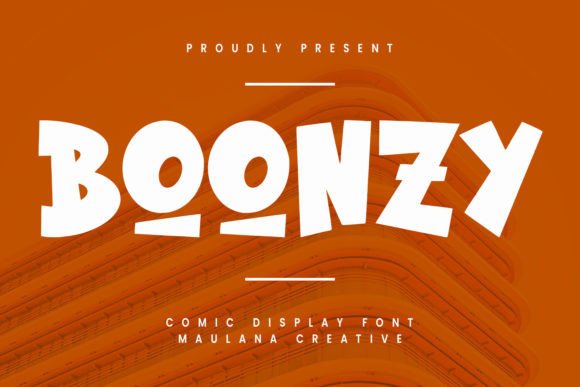
There's something about starting a new brand project that feels like opening a blank canvas. Recently, I found myself staring at an empty brand board, brainstorming the identity for a local bakery with a whimsical twist. The first thing I did was test Boonzy, a comic display font with heavy strokes and a fun character, and it immediately felt like the right fit.
Boonzy on Bakery Packaging and Logo Concepts
When I placed Boonzy on a mockup of a bakery’s packaging, the results were instantly engaging. The heavy stroke and playful curves gave the design a lighthearted, inviting feel — perfect for a brand targeting young professionals and families looking for a sweet escape. As a display font, Boonzy stood out without overpowering the visuals, and its built-in ligatures added subtle charm to phrases like "Freshly Baked" or "Daily Specials."
On the logo concept, Boonzy brought a sense of personality that other fonts couldn’t match. It wasn’t just a font; it was part of the brand voice. Its fun character helped convey the bakery’s approachable and creative nature. For projects like this, Boonzy is ideal as a headline or accent typeface, but not for long-form text due to its decorative nature.
Boonzy in Social Media Graphics and Web Headers
I also tested Boonzy on Instagram posts and website headers for the same bakery. The font performed exceptionally well on digital platforms, especially when used for short, punchy headlines. On mobile screens, the heavy stroke made the text legible even from a distance, which is crucial for social media engagement.
The multilingual support of Boonzy comic display font was a bonus when designing content for a diverse audience. Whether it was translating the menu into Spanish or French, the font handled it smoothly, ensuring consistency across different languages. This makes Boonzy a versatile choice for global branding efforts or businesses with international reach.
For web headers, Boonzy worked best in larger sizes where its decorative elements didn’t interfere with readability. When paired with a clean sans-serif font for body text, it created a balanced visual hierarchy that felt both professional and fun.
Boonzy for Business Cards and Brand Identity Systems
In a real-world scenario, using Boonzy on business cards can be a great way to stand out. I tried it on a mockup for the bakery’s staff cards and found that it added a unique touch to the design. However, I had to be careful with spacing and line height to avoid clutter, especially since the font has a bold, expressive style.
As part of a full brand identity system, Boonzy can serve as the primary font for logos, headings, and key messaging. It’s important to test it across various materials — from packaging to digital ads — to ensure it maintains its appeal consistently. While Boonzy isn’t suitable for formal corporate use, it shines in more creative and lifestyle-oriented industries like food, fashion, or entertainment.
One thing to keep in mind is that Boonzy should be used sparingly. Too much of it can make a design feel chaotic. Pairing it with a complementary serif or sans-serif font can help balance the look and maintain professionalism, especially in editorial or commercial contexts.
Testing Boonzy Before Final Use
Before committing to Boonzy for a client project, I recommend testing it across multiple formats. Try it on a logo draft, a brand board, a product mockup, and a social media layout. See how it looks in different sizes and color contrasts. Also, check if the font supports the language you need for your project — Boonzy comic display font covers over 100 languages, which is a big plus for multilingual branding.
Don’t forget to review the licensing terms before using Boonzy in commercial work. Make sure you have the right permissions for print, digital, or merchandise use. It’s always better to be safe than sorry when it comes to font usage in client projects.
Boonzy is a display font that brings energy and creativity to any branding project. Whether you're designing for a boutique, a café, or a creative studio, it can add that extra flair that makes your brand memorable. Just remember to use it wisely and pair it with the right supporting typefaces for the best results.